Acute Respiratory Viral Infections (Respiratory Viral Infections) That Keep Coming Back: Why the Body Does Not Have Time to Recover
Acute respiratory viral infections are illnesses that affect the mucous membranes of the nose, throat, sinuses, and upper respiratory tract. Although these illnesses are considered among the most common conditions and are often perceived as a “common cold,” repeated episodes of respiratory viral infections are not always normal.
For most people, a viral infection does indeed pass within 7–14 days. The body gradually recovers, the immune system suppresses the viral load, and the symptoms disappear without consequences. However, in practice, situations are becoming increasingly common where the illness returns after a short period of time, becomes more severe, or is accompanied by prolonged recovery.
In many cases, the problem is not only the virus itself.
Recurring respiratory viral infections may indicate:
• reduced adaptive reserves of the body;
• chronic fatigue and overexertion;
• high levels of stress;
• disturbances in sleep and recovery;
• weakened immune regulation;
• hidden inflammatory processes;
• increased strain on the nervous system.
That is why the question is often not only how to treat respiratory viral infections, but also why the body repeatedly becomes vulnerable to viral stress.
Main Symptoms of Respiratory Viral Infections

The symptoms of respiratory viral infections may vary depending on the condition of the immune system, the type of virus, and the overall level of stress placed on the body. The most common symptoms include:
• sore throat, irritation, or discomfort in the throat;
• nasal congestion;
• runny nose and increased mucus production;
• sneezing;
• cough of varying intensity;
• weakness and reduced working capacity.
In some patients, the illness is limited only to local symptoms and resolves relatively easily. However, when the body’s adaptive abilities are reduced, more pronounced symptoms may appear:
• elevated temperature or fever;
• headache;
• muscle and joint aches;
• increased fatigue;
• a feeling of exhaustion even after the fever decreases;
• prolonged recovery after illness.
It is important to understand that the severity of symptoms is not determined only by the activity of the virus. To a large extent, it depends on the condition of the body at the moment of illness and how effectively the body’s regulatory systems function.
Patients often notice that after periods of severe stress, emotional tension, excessive workload, or chronic lack of sleep, the likelihood of becoming ill increases significantly. This is because the nervous and immune systems are closely interconnected, and prolonged stress gradually reduces the body’s ability to adapt to external stressors.
That is why frequent respiratory viral infections should not be viewed only as coincidence or “weak immunity.” In many cases, they are a signal that the body requires deeper recovery and an evaluation of the factors that interfere with proper recovery after viral exposure.
How to Treat Respiratory Viral Infections
During a respiratory viral infection, the body requires not only symptom relief but also full restoration of the resources that are actively depleted during viral stress. That is why, during the acute stage of illness, it is especially important to reduce additional strain on the immune and nervous systems.

As a rule, the following measures are recommended during respiratory viral infections:
• maintaining proper rest and sleep;
• drinking enough fluids;
• following a balanced and nutritious diet;
• avoiding excessive fatigue and intense physical activity;
• using supportive remedies for temporary symptom relief.
To reduce discomfort, medications may be used to lower fever, improve nasal breathing, and reduce throat irritation. Additional supportive methods may also help maintain the condition of the mucous membranes and improve overall comfort.
At the same time, it is important to remember that many medications have limitations and may not be suitable for everyone. Special caution is required when using medications in children, pregnant women, people with chronic conditions, and patients taking other medications.
Although symptomatic treatment may temporarily improve the condition, it does not always answer the main question – why the body begins to get sick too often and why recovery after respiratory viral infections becomes increasingly prolonged.
How Respiratory Viral Infections Spread
Respiratory viral infections are highly contagious because the virus may spread even before noticeable symptoms appear. In many cases, a person becomes a source of infection several days before the first signs of illness develop.
In most cases, the highest risk of transmission remains during the acute phase of illness. However, the level of contagiousness may depend on the condition of the immune system, viral activity, and the type of contact between people.
Respiratory viral infections most commonly spread through:
• contact with contaminated surfaces;
• touching contaminated objects followed by contact with the eyes, nose, or mouth;
• close interpersonal contact;
• microscopic droplets released into the air during coughing, sneezing, or speaking.
Respiratory viral infections spread especially quickly in environments where people remain in close contact, including:
• families;
• children’s groups;
• schools and daycare centers;
• offices and enclosed spaces with frequent interpersonal contact.
Seasonal patterns are also common. Outbreaks occur more frequently during colder months, when the body is additionally affected by reduced sunlight exposure, changes in daily routines, dry indoor air, and increased strain on the immune system.
Respiratory viral infections may be caused by different types of viruses, including:
• rhinoviruses;
• adenoviruses;
• parainfluenza viruses;
• coronaviruses;
• and other respiratory viruses.
Despite differences between viruses, the course of illness depends not only on the type of infection but also on how effectively the body can adapt to viral stress and recover afterward.
How to Reduce the Risk of Spreading Respiratory Viral Infections
Because respiratory viral infections spread mainly through airborne droplets and direct contact, basic preventive measures are especially important during seasonal increases in viral illnesses.
Simple daily habits may help reduce the spread of infection:
• regular hand washing, especially after visiting public places and before meals;
• avoiding unnecessary contact between hands and the eyes, nose, or mouth;
• proper hygiene during coughing and sneezing;
• using disposable tissues;
• regular cleaning of frequently touched surfaces;
• using personal hygiene items and dishes individually.
During coughing or sneezing, microscopic droplets containing viral particles may enter the air. That is why limiting the spread of these particles and maintaining hygiene is important not only for personal protection but also for reducing the risk of infecting others.
Special attention to prevention is recommended in families with children, work environments, and places with frequent interpersonal contact.
The Role of the Immune System and Lifestyle
For many years, researchers have discussed the influence of nutrients and supplements on the risk of respiratory viral infections. The most commonly mentioned include:
• vitamin C;
• zinc;
• garlic and herbal supplements.
Some studies evaluate their possible influence on immune function, although current evidence remains inconsistent and there is no universal method capable of fully preventing viral infections.
At the same time, increasing attention is being paid not to individual remedies but to the overall condition of the body and its ability to adapt to stress.
The body’s resistance to respiratory viral infections may be influenced by:
• sleep quality;
• chronic stress levels;
• nutritional balance;
• nervous system function;
• recovery after physical and emotional stress.
That is why prevention is increasingly viewed as a comprehensive approach focused on supporting the body as a whole, rather than only attempting to avoid contact with viruses.
Diagnosis and Recovery for Respiratory Viral Infections at the Altimed Medical Center
With frequent episodes of respiratory viral infections, it is important to understand that the problem is not always limited only to the viral infection itself. If the illness regularly returns, becomes more severe, or is accompanied by prolonged recovery, this may indicate deeper disturbances in the body’s regulatory systems.

That is why comprehensive diagnostics are important before selecting a recovery program. They make it possible to assess not only the current state of the body but also the factors that may reduce its resistance to viral stress.
At the Altimed Medical Center, diagnostics are aimed at identifying:
• hidden functional disorders;
• chronic inflammatory processes;
• decreased adaptive reserves;
• factors affecting the condition of the immune system;
• disturbances of neuroimmune and autonomic regulation.
A comprehensive approach makes it possible to gain a more complete understanding of the processes occurring in the body, rather than focusing only on the external symptoms of the illness.
Functional Diagnostics of the Body
As part of the examination, the functional condition of different body systems is evaluated, including:
• the immune system;
• respiratory organs;
• the condition of the autonomic nervous system;
• the level of overall adaptive stress.
Special attention is paid to the relationship between chronic stress, the condition of the nervous system, and the frequency of viral illnesses, since prolonged overstrain can significantly affect the body’s ability to recover.
Non-Invasive Approach
Diagnostic procedures are performed non-invasively and do not require complex preparation.
To evaluate the functional condition of the body, the following methods may be used:
• functional screening;
• vegetative resonance testing;
• methods for evaluating regulatory processes.
These methods make it possible to obtain information about the body’s condition without painful procedures or additional stress on the body.
Recovery Approach
Based on the diagnostic results, an individual approach is developed that is aimed not only at reducing the symptoms of respiratory viral infections but also at supporting the systems involved in adaptation and recovery.
A comprehensive recovery approach may include:
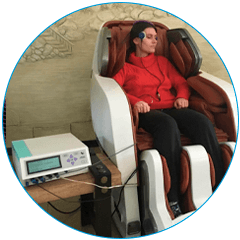
• bioresonance therapy;
• support of regulatory processes;
• work with chronic stress factors;
• restoration of the body’s adaptive reserves.
The main goal is not only to help the body tolerate the current viral load more easily, but also to reduce the likelihood of repeated illness episodes in the future.
How the Virus Interacts with the Body During Respiratory Viral Infections
Respiratory viral infections develop when a virus overcomes the body’s natural defense mechanisms and begins to actively interact with the cells of the respiratory tract. After reaching the mucous membranes, the virus uses the body’s cells for its own replication, gradually increasing the viral load and intensifying the inflammatory response.
Different types of viruses may affect different parts of the respiratory system. Some mainly affect the mucous membranes of the nose and throat, while others are capable of involving the trachea, bronchi, and lower respiratory tract. That is why the course of respiratory viral infections may differ significantly from person to person – from a mild runny nose to a pronounced inflammatory process with prolonged recovery.
With normal immune system function, the body is able to limit the spread of the virus relatively quickly. However, when adaptive abilities are reduced, the inflammatory response becomes more pronounced, and recovery takes significantly longer.
The nature of the disease course may be influenced by:
• the condition of the immune system;
• chronic stress levels;
• sleep quality and recovery;
• the presence of chronic inflammatory processes;
• age and overall condition of the body;
• stress placed on the nervous system.
Children, older adults, and patients with chronic respiratory or cardiovascular disorders are especially sensitive to viral stress. This is because the body has greater difficulty maintaining stable immune regulation and fully recovering after infection.
How Different Respiratory Infections Differ
Respiratory viral infections include a broad group of viral diseases affecting the respiratory system. These include:
• viral infections of the upper respiratory tract;
• some forms of throat and sinus inflammation;
• influenza;
• certain viral conditions affecting the bronchi and respiratory tract;
• other respiratory viral infections.
Despite similarities in symptoms, different viruses may affect the body differently and create varying levels of stress on the body.
For example, the common cold usually develops gradually and mainly affects the nasopharynx. A person may feel weak but can usually continue performing everyday tasks.
Influenza, on the other hand, often begins suddenly and is accompanied by severe weakness, high fever, body aches, and a much stronger impact on overall well-being.
At the same time, it is important to understand that the severity of the condition is determined not only by the type of virus. In many cases, the key factor is the body’s ability to adapt to inflammatory stress and recover afterward.
Why Symptoms of Respiratory Viral Infections May Differ From Person to Person
In some people, the illness is limited to mild throat discomfort and a runny nose, while in others it is accompanied by pronounced weakness, fever, and prolonged recovery.
This is because the symptoms of respiratory viral infections are formed not only under the influence of the virus but also as a result of the body’s own reaction.
The most common symptoms include:
• nasal congestion;
• runny nose;
• sore throat or throat irritation;
• cough;
• headache;
• muscle aches;
• elevated temperature;
• reduced sense of smell and taste;
• general weakness and fatigue.
During the first days of illness, symptoms may gradually intensify because the immune system actively responds to viral stress. In most cases, symptoms begin to decrease after several days, although the speed of recovery depends on the body’s overall condition and its ability to restore internal balance.
In children, symptoms often last longer because the immune system and adaptation mechanisms are still developing. The course of illness may also be more severe in people experiencing chronic overfatigue or prolonged emotional stress.
When It Is Important to Consult a Specialist
In most cases, respiratory viral infections gradually resolve within several days. However, there are situations in which the illness requires closer monitoring and additional evaluation of the body’s condition.
It is recommended to consult a specialist if:
• symptoms persist longer than usual;
• the condition worsens after temporary improvement;
• pronounced weakness or difficulty breathing appears;
• the cough becomes more severe;
• discomfort or pain develops in the chest area;
• the illness becomes more severe than previous episodes;
• respiratory viral infections occur too frequently.
Particular attention should be paid to prolonged illness in children, older adults, and patients with chronic respiratory or cardiovascular diseases.
Why Prolonged Respiratory Viral Infections Should Not Be Ignored
When the body’s adaptive abilities are weakened, the inflammatory process may spread further and involve different parts of the respiratory system.
Against the background of prolonged viral stress, the following complications may develop:
• inflammatory processes in the sinuses;
• complications involving the bronchi;
• inflammatory conditions affecting the middle ear;
• deeper involvement of the respiratory tract;
• bacterial complications.
In some cases, the inflammatory process may affect surrounding tissues and lead to more serious conditions requiring additional monitoring and recovery.
That is why, during a prolonged course of illness, it is important not only to temporarily reduce symptoms but also to understand how effectively the body is coping with inflammatory stress and recovery.
How Recovery From Respiratory Viral Infections Takes Place at the Altimed Medical Center
At the Altimed Medical Center, attention is paid not only to the acute phase of illness but also to the condition of the body after viral stress has occurred.
The recovery approach is based on the understanding that frequent respiratory viral infections may be associated with:
• reduced adaptive reserves;
• chronic stress;
• overload of the nervous system;
• impaired recovery processes;
• decreased stability of immune regulation.
After functional diagnostics are completed, an individual recovery program is selected to support the body’s regulatory systems and improve recovery processes.
A comprehensive recovery approach may include:
• bioresonance therapy methods;
• physiotherapeutic support;
• programs for restoring adaptive reserves;
• recommendations aimed at reducing chronic stress on the body.
Special attention is paid to gentle and non-invasive methods that do not create additional stress on the body during recovery.
The Possibility of Continuing Support at Home
For some patients, an important stage of recovery is continuing supportive procedures at home, especially during periods of increased seasonal stress or frequent episodes of viral illness.
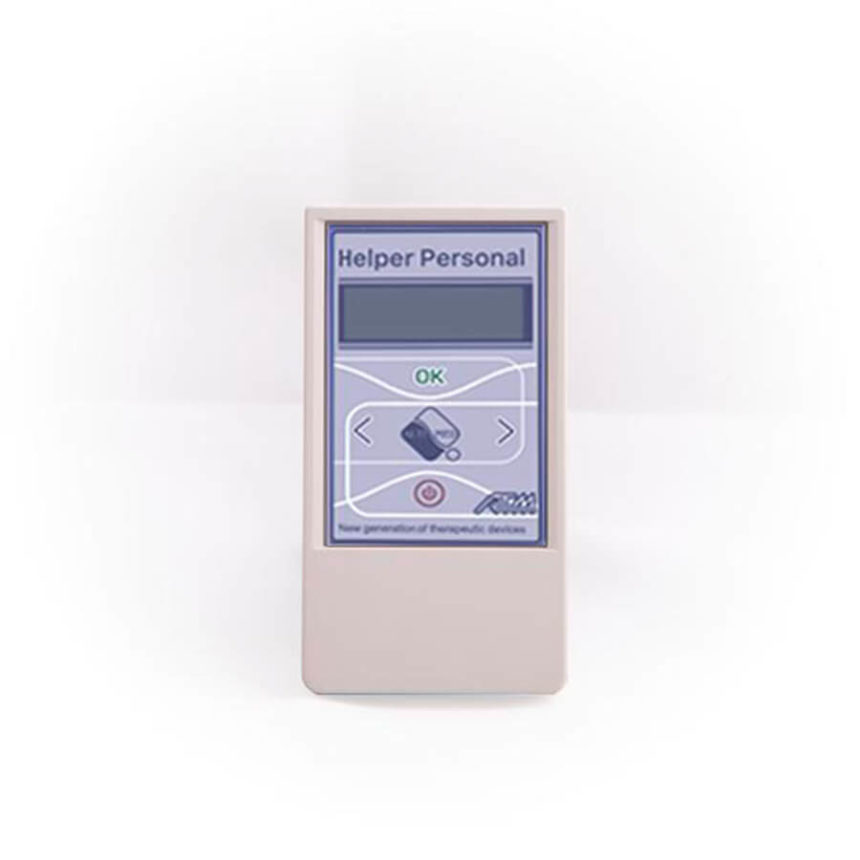
At the Altimed Medical Center, both clinical systems and home-use devices are used to support recovery processes and provide physiotherapeutic effects.
This approach makes it possible to:
• maintain regular recovery procedures;
• reduce the burden associated with frequent clinic visits;
• focus more attention on prevention and recovery at home.
Why Patients Choose the Altimed Medical Center
The Altimed Medical Center focuses on a functional and non-invasive approach to recovery, paying attention not only to the symptoms of illness but also to the factors that may influence the frequency of recurring respiratory viral infections.
The comprehensive approach includes:
• functional diagnostics;
• evaluation of regulatory processes;
• support of the body’s adaptive abilities;
• the use of proprietary technologies and developments;
• individually selected recovery programs.
The primary goal of this approach is to help the body cope with stress more effectively, improve recovery processes, and reduce the likelihood of repeated illness episodes in the future.