

Shigella: Symptoms, Diagnosis, and How It Differs From a Common Intestinal Infection

- Why Shigella Is Considered One of the Most Aggressive Intestinal Infections
- What Is Shigella
- How Shigella Differs From a Common Intestinal Infection
- Main Symptoms of Shigella
- Why Shigella Is Especially Dangerous for Children
- Can Shigella Lead to Chronic Gastrointestinal Problems
- Shigella and the Psychophysiological State of the Body
- How Shigella Is Diagnosed
- Prevention of Shigellosis
- FAQ
- Conclusion
Why Shigella Is Considered One of the Most Aggressive Intestinal Infections
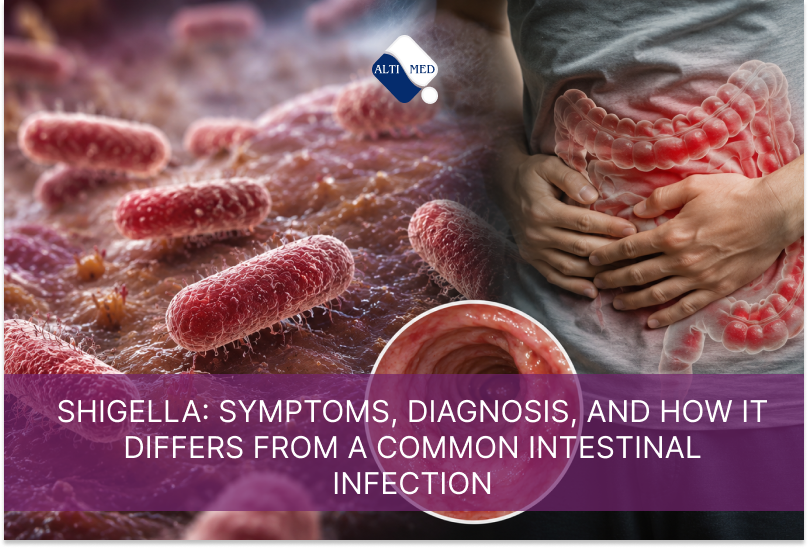
Shigellosis is an acute bacterial infectious disease that primarily affects the large intestine and causes significant inflammation of the intestinal lining. In everyday language, the condition is often referred to as dysentery, although modern medicine uses the term “shigellosis.”
Unlike many other intestinal infections, Shigella can cause not only diarrhea but also deep inflammatory damage to the intestinal wall. That is why some patients develop:
- blood in the stool;
- mucus in the stool;
- painful false urges to use the bathroom;
- lower abdominal cramps;
- severe intoxication symptoms;
- profound weakness and dehydration.
The infection may be especially severe in:
- children;
- older adults;
- people after prolonged stress;
- patients with chronic gastrointestinal inflammation;
- individuals with nervous system and immune exhaustion.
Interestingly, many patients perceive Shigella as “ordinary food poisoning” and begin self-treatment. This often becomes one of the reasons for prolonged intestinal inflammation, post-infectious irritable bowel syndrome, and chronic gastrointestinal sensitivity.
What Is Shigella
Bacillary dysentery is caused by bacteria from the Shigella genus. The most well-known species include:
- Shigella sonnei;
- Shigella flexneri;
- Shigella dysenteriae;
- Shigella boydii.
The main feature of these bacteria is their extremely low infectious dose. In some cases, only a very small number of bacteria entering the body is enough to trigger disease.
Transmission occurs through:
- contaminated water;
- contaminated food;
- unwashed hands;
- person-to-person household contact;
- childcare settings;
- travel exposure;
- poor sanitation conditions.
This is why shigellosis outbreaks often occur:
- during summer;
- in daycare centers;
- in camps;
- in hot-climate countries;
- after food contamination incidents.
How Shigella Differs From a Common Intestinal Infection
The Main Difference Is Colon Inflammation
Most viral intestinal infections cause:
- watery diarrhea;
- nausea;
- vomiting;
- short-term inflammation.
Shigella acts differently. The bacteria invade the lining of the large intestine and trigger an aggressive inflammatory response.
As a result, symptoms may include:
- cramping;
- tenesmus (false urges to defecate);
- mucus;
- blood;
- incomplete bowel emptying sensation;
- lower abdominal pain.
It is this inflammation of the colon that makes shigellosis closer to inflammatory bowel conditions than to ordinary food poisoning.
Main Symptoms of Shigella
How the Infection Begins
The incubation period usually ranges from several hours to 3 days.
Early symptoms often include:
- weakness;
- fever;
- chills;
- headache;
- abdominal pain;
- loss of appetite.
Intestinal symptoms appear later.
Symptoms Characteristic of Shigellosis
Frequent Loose Stool
Stool may become:
- very frequent;
- small in volume;
- painful;
- mixed with mucus;
- streaked with blood.
Cramping and Lower Abdominal Pain
Especially typical are:
- spasmodic pain;
- left-sided cramping;
- worsening pain before bowel movements.
False Urges to Use the Bathroom
Patients may feel the need to empty the bowels even when the intestines are almost empty.
This is one of the most characteristic signs of colon inflammation in shigellosis.
Fever and Intoxication
In some patients, body temperature may rise to:
- 38–39°C (100.4–102.2°F);
- accompanied by severe weakness;
- body aches;
- dehydration.
Why Shigella Is Especially Dangerous for Children
In children, intestinal infections progress more rapidly because of:
- lower body fluid reserves;
- increased nervous system sensitivity;
- faster dehydration;
- unstable immune responses.
Dangerous symptoms in children include:
- refusal to drink water;
- lethargy;
- dry skin;
- infrequent urination;
- high fever;
- blood in the stool.
Such symptoms require urgent medical evaluation.
Can Shigella Lead to Chronic Gastrointestinal Problems
After severe intestinal infections, some people continue to experience:
- bloating;
- intestinal sensitivity;
- unstable bowel movements;
- food reactions;
- pain after eating;
- irritable bowel syndrome;
This happens because inflammation affects not only the intestines but also:
- the microbiome;
- the immune system;
- neuroimmune mechanisms;
- the gut-brain connection.
In some patients, severe shigellosis may lead to a condition in which the intestines become significantly more sensitive to stress, emotional tension, and certain foods.
Shigella and the Psychophysiological State of the Body
Modern research increasingly views the intestine as part of a unified neuroimmune system.
After severe inflammatory processes, patients may experience:
- chronic tension;
- anxiety;
- sleep disturbances;
- reduced stress tolerance;
- increased visceral sensitivity.
This is especially common in people who:
- ignored symptoms for a long time;
- continued daily activities while sick;
- lived under chronic stress;
- already had gastrointestinal dysfunction.
That is why prolonged post-infectious conditions increasingly require a comprehensive recovery approach involving:
- intestinal health assessment;
- evaluation of systemic inflammation;
- nervous system support;
- restoration of the body’s adaptive mechanisms.
How Shigella Is Diagnosed
Most Common Diagnostic Methods
Diagnosis may include:
- stool analysis;
- bacterial stool culture;
- PCR testing;
- inflammatory marker evaluation;
- gut microbiome assessment;
- gastrointestinal examination in prolonged cases.
In chronic cases, it is important not only to identify the infection itself but also to evaluate:
- consequences of inflammation;
- digestive system condition;
- food tolerance;
- overall systemic stress on the body.
A Comprehensive Gastrointestinal Approach at Altimed
Altimed views the intestine not simply as an isolated organ but as part of an interconnected neuroimmune and metabolic system.
For prolonged or recurrent gastrointestinal issues, the center may use a comprehensive approach that includes:
- functional body diagnostics;
- evaluation of systemic tension;
- food tolerance analysis;
- assessment of adaptive reserves;
- recovery programs for the nervous system and gastrointestinal tract.
Depending on the patient’s condition, approaches may include:
- bioresonance diagnostics;
- autonomic nervous system evaluation;
- nervous system support programs;
- methods aimed at restoring overall functional balance.
When Immediate Medical Attention Is Necessary
Urgent medical care is necessary in cases of:
- blood in the stool;
- high fever;
- severe weakness;
- dehydration;
- severe abdominal pain;
- symptoms in a child;
- fainting;
- prolonged diarrhea.
Self-treatment during severe intestinal infections may be dangerous.
Prevention of Shigellosis
Main preventive measures include:
- proper handwashing;
- safe drinking water;
- food quality control;
- caution during travel;
- careful child hygiene;
- avoiding questionable food during summer months.
FAQ
Conclusion
Shigella is not simply a “stomach bug” but an infection capable of causing severe colon inflammation, systemic intoxication, and long-term consequences for both the gastrointestinal and nervous systems.
That is why recurrent intestinal symptoms, blood in the stool, chronic discomfort after infection, or prolonged recovery should be evaluated not only from the perspective of infection itself, but also in terms of the overall condition of the neuroimmune and digestive systems.


