

Top 10 Foods for Longevity: What Is Really Worth Including in Your Diet

Why There Is No Single Food That Can Extend Life
The desire to find a universal secret to longevity has existed for decades. Every year, new “superfoods” appear that are claimed to slow aging, protect against disease, and significantly increase life expectancy. However, modern science takes a much broader view of this issue.
Research shows that health and longevity are influenced by many different factors. Nutrition, physical activity, quality sleep, stress management, avoiding harmful habits, and timely preventive care all work together. That is why experts are increasingly focusing not on miraculous foods but on healthy daily eating habits.
Nevertheless, there are several foods that consistently appear in scientific research and healthy eating recommendations. They share high nutritional value and are rich in vitamins, minerals, fiber, healthy fats, and natural antioxidants. Together, they help create a strong foundation for maintaining long-term health.
What Do the Diets of Long-Lived People Have in Common?
When studying the eating habits of populations known for having a high number of centenarians, one interesting pattern becomes clear. Despite differences in culture and traditional cuisine, most of these populations follow similar dietary principles.
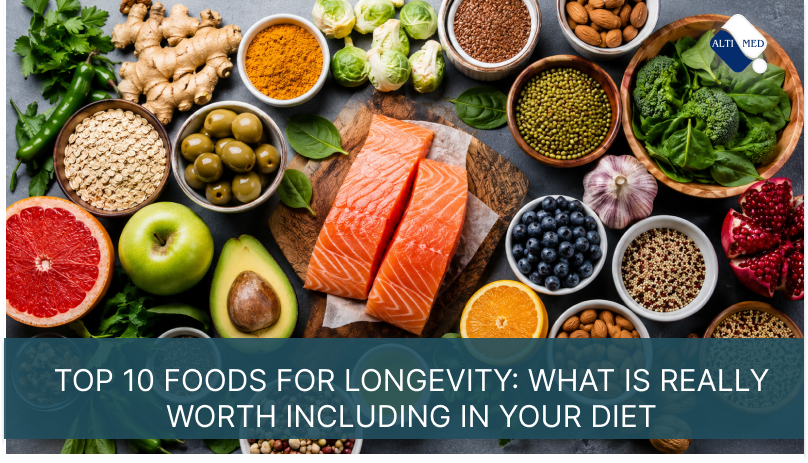
Their diets are based primarily on natural, minimally processed foods. Vegetables, legumes, whole grains, fish, nuts, and plant-based oils make up the majority of their meals. At the same time, sweets, ultra-processed foods, and products high in added sugar are consumed much less frequently.
Today, this approach is considered one of the most promising ways to support long-term health.
Fatty Fish
Salmon, mackerel, sardines, and herring are excellent sources of omega-3 fatty acids. These nutrients are essential for the normal function of the cardiovascular system, brain, and nervous system.
Regular consumption of fatty fish also provides high-quality protein, B vitamins, and vitamin D.
Berries
Blueberries, raspberries, strawberries, blackberries, and other berries are rich in natural antioxidants and polyphenols.
Including berries in your diet regularly helps increase your intake of vitamins, fiber, and biologically active plant compounds that play an important role in supporting overall health.
Leafy Green Vegetables
Spinach, arugula, various salad greens, Swiss chard, and leafy cabbage are rich in vitamins A, C, and K, folate, and magnesium.
They also provide large amounts of dietary fiber, which is important for maintaining healthy digestion and supporting a diverse gut microbiota.
Nuts
Walnuts, almonds, hazelnuts, and pistachios are valuable sources of healthy fats, plant protein, vitamin E, and essential minerals.
Although they are calorie-dense, a small daily serving can be a healthy addition to a balanced diet.
Legumes
Lentils, beans, chickpeas, and peas are staple foods in many regions known for high life expectancy.
They provide plant-based protein, complex carbohydrates, and fiber, helping promote satiety while supporting a balanced diet.
Variety Is More Important Than Finding the Perfect Food
One of the most common misconceptions is believing that a single food can solve every health problem. In reality, the body requires dozens of different nutrients every day.
That is why nutrition experts recommend focusing on dietary variety. Fish provides healthy fats, vegetables supply vitamins and fiber, legumes offer plant protein, nuts contribute valuable minerals, and whole grains deliver complex carbohydrates. It is their combination that provides the greatest benefit.
Extra Virgin Olive Oil
Extra virgin olive oil is considered one of the key components of the Mediterranean diet.
It is rich in monounsaturated fats and natural antioxidants, making it an excellent alternative to animal fats.
Whole Grains
Oats, buckwheat, brown rice, and whole-grain bread contain more fiber and nutrients than refined grain products.
They help maintain steady energy levels and are an important part of a healthy daily diet.
Fermented Foods
Natural yogurt, kefir, sauerkraut, and other fermented foods may help support a diverse gut microbiota.
Today, gut microbiota is recognized as one of the factors influencing metabolism, immune function, and overall well-being.
Cruciferous Vegetables
Broccoli, cauliflower, Brussels sprouts, and cabbage provide vitamins, minerals, and a variety of beneficial plant compounds.
Regular consumption of these vegetables helps diversify the diet and increase fiber intake.
Green Tea
Green tea is a natural source of antioxidants and can be an excellent alternative to sugary beverages.
For most people, moderate consumption easily fits into a healthy lifestyle.
Which Foods Should Not Be Considered an “Elixir of Youth”?
Despite widespread advertising, neither goji berries, exotic superfoods, nor expensive dietary supplements can significantly extend life on their own.
Most experts agree that the overall quality of your daily diet matters far more. If your eating habits remain unbalanced, even the most expensive products cannot compensate for poor nutrition.
When choosing foods, it is therefore better to focus on variety, moderation, and consistency rather than marketing claims.
Even the Healthiest Foods Are Not Ideal for Everyone
Modern nutrition is becoming increasingly personalized. The same food may be perfectly tolerated by one person while causing discomfort for another.
Digestive health, gut microbiota composition, food sensitivities, chronic conditions, and individual metabolism all influence how the body responds to different foods.
That is why there is no universal list of foods that are equally beneficial for everyone.
Conclusion
Longevity cannot be achieved through a single food or one specific diet. What matters far more is maintaining a balanced and varied eating pattern that includes vegetables, fruits, whole grains, fish, legumes, and healthy fats, while also staying physically active and paying attention to preventive health.
It is also important to remember that even foods considered healthy may affect different people differently. If you want to make your diet truly personalized, a food sensitivity test may be a useful addition. It can help identify your individual tolerance to different foods and support the development of a diet tailored to your body’s unique needs.


